Use Cases of Edge Computing Technology
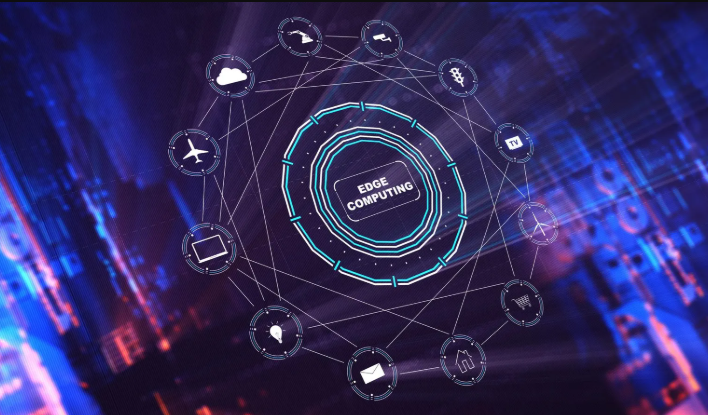
Edge computing technology is increasingly being adopted across various sectors, showcasing its versatility and potential benefits. In smart cities, it enhances traffic management and resource distribution. Autonomous vehicles rely on it for real-time decision-making, improving safety. Healthcare applications utilize edge computing for efficient patient monitoring. Furthermore, industrial automation benefits from real-time data analytics. However, the implications of these advancements raise critical questions about scalability, security, and integration that warrant further exploration.
Smart Cities and Urban Infrastructure
In numerous urban environments, the integration of edge computing technology is revolutionizing smart city initiatives and urban infrastructure management.
This technology enhances smart traffic systems, enabling real-time data processing for optimized traffic flow and reduced congestion. Additionally, it supports advanced energy management strategies, promoting sustainable practices and efficient resource allocation.
These innovations collectively foster a more resilient and adaptive urban ecosystem, empowering citizens with improved quality of life.
Autonomous Vehicles and Transportation
Autonomous vehicles stand at the forefront of innovation in the transportation sector, leveraging edge computing technology to enhance navigation and safety systems.
Through vehicle to everything communication, these vehicles utilize real-time data processing to interpret surroundings and make instantaneous decisions.
This integration not only improves operational efficiency but also fosters a safer driving experience, empowering individuals with greater freedom on the road.
Healthcare Monitoring and Telemedicine
Healthcare monitoring and telemedicine increasingly rely on edge computing to deliver timely and efficient patient care.
By processing patient data locally, healthcare providers can enable real-time remote diagnostics, reducing latency and enhancing decision-making.
This technology empowers patients, allowing for continuous monitoring while safeguarding sensitive information.
As the demand for personalized care grows, edge computing remains pivotal in shaping the future of healthcare delivery.
See also: Use Cases of Blockchain Technology
Industrial Automation and IoT Applications
Industrial automation leverages edge computing to enhance the efficiency and responsiveness of IoT applications across various sectors.
By enabling real-time analytics, organizations can swiftly respond to operational changes. Furthermore, predictive maintenance becomes more feasible, allowing for the identification of potential equipment failures before they occur.
This synergy not only minimizes downtime but also empowers businesses to optimize resources and maintain competitive advantages.
Conclusion
In a world where data is the new oil, edge computing emerges as the slick, efficient refinery, processing information at lightning speed while cities, vehicles, hospitals, and factories hum with newfound intelligence. One might ponder if, in our quest for efficiency, we are merely trading in the chaos of centralized data for the meticulous dance of localized processing. Perhaps the true question remains: will these sparkling innovations usher in a utopia of seamless living, or merely a more sophisticated form of digital surveillance?